Civics/Government
Help your child to become an active citizen by incorporating civics education into your homeschooling plan. Learn about the federal and Nebraska government, how to contact your legislators, how government works, and more.
Activities & Experiments
TeenPact Leadership Schools
TeenPact is a dynamic, hands-on leadership school for Christian students. Their mission is to train youth to understand the political process, value their liberty, defend their Christian faith and engage the culture at a time in their lives when, typically, they do not care about such things. The core program consists of the State Classes offered around the country.
How to Create a Midde School/High School Political Science Club
Tips for creating a political science club.
H.E.A.R.T.S. - Homeschoolers: Educating, Assisting, & Reaching-out Through Service
H.E.A.R.T.S.' goal is to join together a diverse and inclusive group of homeschoolers in community service projects – to increase public awareness, understanding, and acceptance of homeschoolers and homeschooling through combined service, outreach, and public relations efforts.
Teaching Tips & Ideas
H.E.A.R.T.S. - Homeschoolers: Educating, Assisting, & Reaching-out Through Service
H.E.A.R.T.S.' goal is to join together a diverse and inclusive group of homeschoolers in community service projects – to increase public awareness, understanding, and acceptance of homeschoolers and homeschooling through combined service, outreach, and public relations efforts.
TeenPact
TeenPact is a comprehensive leadership experience that challenges students to grow both personally and spiritually. During TeenPact, students meet and interact with other Christian young people and leaders from across their state. The first step in the TeenPact Leadership School is the State Capitol Four-Day Class for ages 13-18. Here students learn about the political process and the basics of state government. The students then move onto a behind the scenes look at how their state government works. Workshops focus on the political process, parliamentary procedure, public speaking, and the bill-to-law legislative process.
Online Resources
House Joint Resolution 05-1040
Recognition of April 8, 2005, as Home Education Day in Colorado.
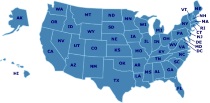
Looking for Another State?
Featured Resources
As an Amazon Associate, we earn from qualifying purchases. We get commissions for purchases made through links on this site.

Guiding Your Catholic Preschooler
There can be no greater delight in parenting than passing on the Faith to the next generation. To help with that glorious responsibility comes Guiding Your Catholic Preschooler, a parents handbook to home-based religious instruction for the youngest members of the family. Filled with practical ideas, developmental guidelines, and a contagious enthusiasm for the treasures of the Catholic Faith, this exciting guide makes raising truly Catholic kids one of life s greatest pleasures. Recommended in ...

The Outdoor Life of Children: The Importance of Nature Study and Outside Activities (Charlotte Mason Topics - Volume 2
The methods of Charlotte Mason are popular among homeschoolers. She includes nature study as a crucial element. This work explores the idea of the outdoors as a classroom for children, and gives tips on ways of teaching the sciences, history, literature, music, and art through the use of outdoor space.

Real Learning: Education in the Heart of the Home
This book is not about "school at home"--it is about something better. It is about Real Learning. Homeschooling pioneer Charlotte Mason wrote with great wisdom about providing young minds with a living books education. She urged teachers to present great ideas and stand back, allowing students to form relationships with the ideas. Elizabeth Foss carries Miss Mason's philosophy from the idealto the real. How does the busy home-educating mom balance the various needs of a houseful of children? How...

These Rare Lands
If a picture's worth 1,000 words, this book--with its hundreds of breathtaking photos of America's National Parks--is a well-stocked bookstore. Accompanied by the words of poet laureate Mark Strand, These Rare Lands is a perfect coffee-table book for anyone who has enjoyed the wonders of nature's wildest places. From a storm over Sequoia National Park in California to the otherworldly stalactites and stalagmites of New Mexico's Carlsbad Caverns and an Atlantic sunset in Maine's Acadia, th...

100 Top Picks For Homeschool Curriculum: Choosing The Right Curriculum And Approach For Your Child's Learning Style
The key to successful home education is determining your educational philosophy and linking it to your child’s learning style. Then you can make an informed decision in choosing the right educational curriculum for the child. Homeschool guru Cathy Duffy can help you accomplish these critical tasks, with her top choices from every subject area, approaching everything through a Christian worldview perspective.